
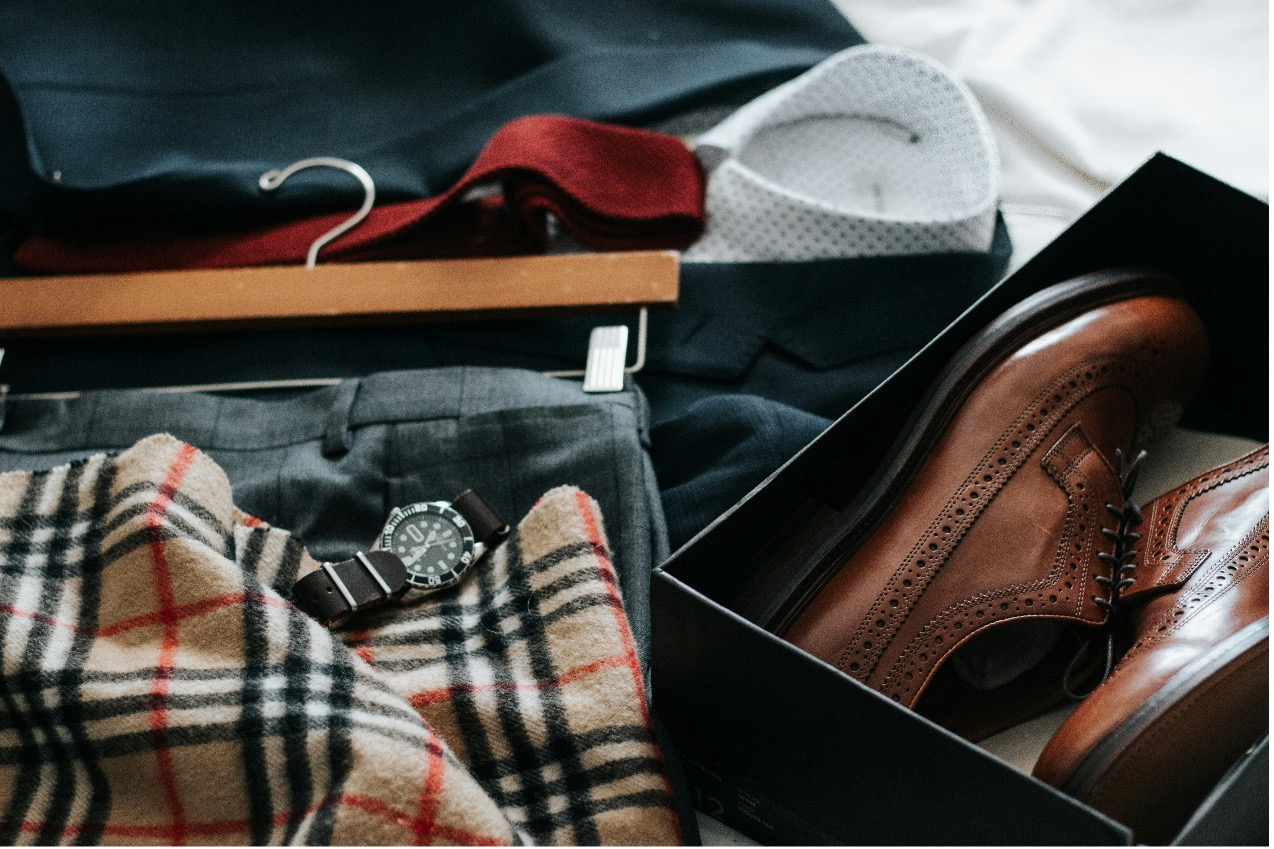
In the early 2000s, men’s fashion in China was largely functional. With relatively low per capita GDP, most men dressed modestly and followed Western formal aesthetics, often choosing suits as the standard for modernity and respectability. However, as the economy grew and disposable income increased, men began to explore fashion as a means of self-expression.
A 2000 report from the China Fashion Design Corporation already hinted at this transformation, identifying four emerging menswear themes: quality sophistication, alternative expression, freedom of body and mind, and cultural fusion. These reflected early signs of Chinese men seeking individuality, comfort, and emotional authenticity in dressing. Over the next two decades, these ideas evolved into today’s diversity of styles, from business-casual minimalism to streetwear, techwear, and the rise of Guochao (national trend) aesthetics.
Market data further confirms this steady evolution. According to Statista (2024), China’s men’s apparel market generated USD 105.6 billion in 2024, up from USD 86.6 billion in 2018, and is projected to reach USD 129.5 billion by 2029. Categories such as sweatshirts, jackets, and sportswear are showing faster growth than traditional suits, underscoring men’s increasing preference for comfort, lifestyle versatility, and casual sophistication. The long-term upward trend reflects how fashion consumption among men has shifted from basic necessity to a reflection of lifestyle and identity.
In contemporary China, men’s fashion choices are broadly divided between workwear, which remains formal and conservative, and lifestyle dressing, which embodies personal taste and identity. The transition from uniformity to diversity mirrors broader cultural and economic shifts from practicality to self-realization.
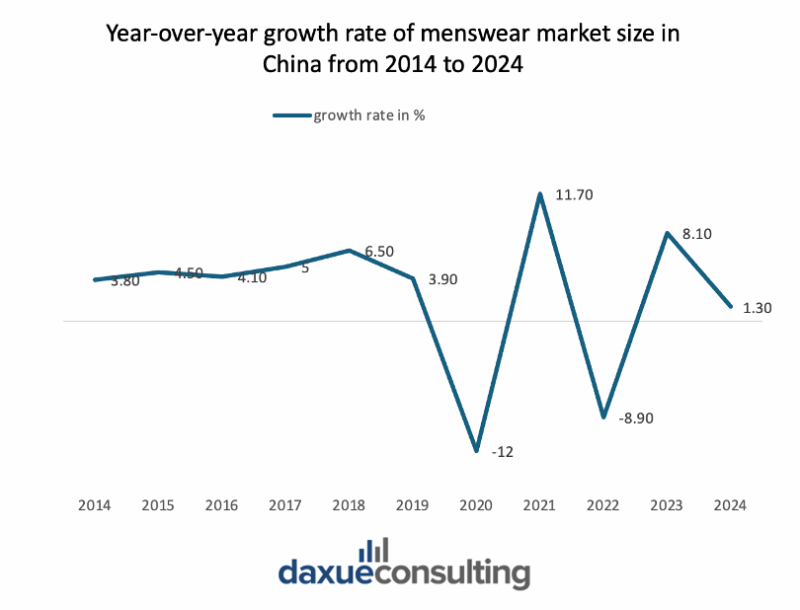
The evolution of men’s fashion in China: A journey of identity and expression
As fashion became a tool for identity exploration, Chinese men started to express who they are through increasingly diverse styles. The definition of masculinity expanded beyond the traditional suit to include streetwear, vintage, minimalist, and culturally inspired looks. This diversification has been accelerated by the rise of short-video platforms such as Douyin and Xiaohongshu, where a growing number of male fashion creators share daily outfit inspirations and styling advice. On Douyin, the hashtag #men’s fashion has accumulated over 21.08 billion views, while on Xiaohongshu, men’s fashion-related content has generated 6.6 billion views, highlighting the scale of digital engagement in this segment. Through these digital communities, men are exposed to new aesthetics and encouraged to experiment, blurring the line between global fashion trends and local cultural expression.

Men’s Fashion in China: Diverse identities and style preferences
China’s men’s fashion market is increasingly defined by distinct consumer segments that reflect differences in age, income, and lifestyle. Among students and young professionals, fashion is a key channel of self-expression. They experiment with individuality through aesthetics such as vibe style, clean fit, Hip-hop, and creative luxury mix-and-match. This group is highly trend-sensitive and driven by online culture, often blending affordable streetwear with statement luxury items.

For the new middle class, style choices are guided by quality, simplicity, and understated luxury. Social and professional settings shape their fashion decisions, leading to a preference for brands like Arc’teryx, Ralph Lauren, Salomon and Patagonia, which convey both functionality and refined taste. Their wardrobes often balance comfort and professionalism with a minimalistic design.
More mature men, on the other hand, tend to favor classic staples such as polos, shirts, and tailored casualwear. For those with higher social or financial status, fashion becomes a subtle marker of success. They gravitate toward premium brands such as Zegna and Loro Piana, emphasizing craftsmanship and quiet luxury.
At the other end of the spectrum, small-town consumers focus more on affordability and practicality. Supported by China’s vast domestic apparel manufacturing base, they typically favor simple and durable clothing such as T-shirts and jeans that meet both comfort and cost efficiency.
These distinct consumer layers illustrate how men’s fashion in China is no longer a single market, but a collection of evolving identities shaped by social class, lifestyle, and digital influence.
Men’s fashion in China: power, status, and cultural aesthetics
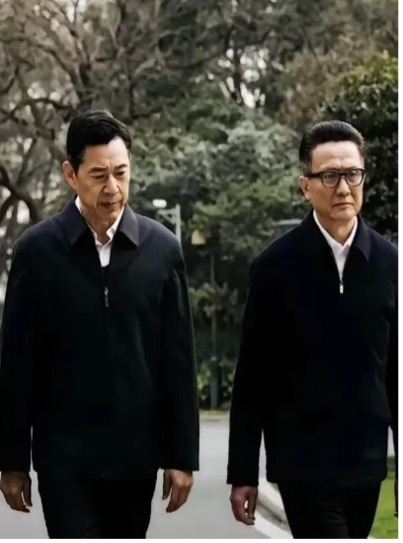
In recent years, China’s men’s fashion landscape has seen the emergence of two contrasting yet interconnected aesthetics: the so-called “Tingju style” and the “Old Money” look. The Tingju trend, inspired by the understated formality of government and corporate officials, reflects men’s fascination with authority and social stability. Its signature piece, the administrative-style jacket, has become one of the most popular menswear items in 2024, symbolizing confidence, pragmatism, and a return to subtle formality in everyday dressing.
In parallel, the Old Money aesthetic, characterized by muted tones, clean silhouettes, and high-quality fabrics, has captured the imagination of younger men seeking refined restraint over ostentatious luxury. Influenced by Western heritage brands and classic European elegance, this look resonates with a growing desire for quiet confidence and cultural sophistication. The popularity of certain films and dramas, such as The Day of the Jackal and Succession, has also reinforced this aesthetic among Chinese audiences by portraying characters whose power and confidence are expressed through minimalist yet elegant fashion choices.
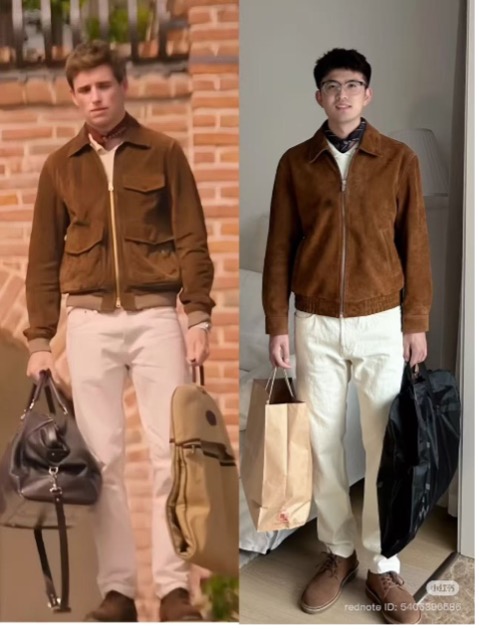
Both styles reveal a deeper social narrative. As China’s economy matures, men are no longer chasing novelty alone but are redefining success through taste, confidence, and restraint. Whether through the pragmatic polish of Tingju style or the discreet elegance of Old Money, today’s Chinese men are negotiating the balance between power, wealth, and authenticity in how they dress.
Key takeaways of men’s fashion in China 2025:
• Men’s fashion in China has evolved from functionality to self-expression, reflecting broader social and cultural change.
• Diverse consumer segments ranging from young trend followers to the mature elite illustrate that men’s fashion is no longer a single, uniform market.
• Digital platforms such as Douyin and Xiaohongshu have democratized style and accelerated new aesthetic trends.
• The rise of “Tingju style” and “Old Money” aesthetics shows how fashion reflects attitudes toward power, success, and social identity.
• Overall, Chinese men’s fashion today represents confidence, individuality, and cultural sophistication, merging modern global trends with local sensibilities.
link